Most organizations already have strong security and monitoring systems in place. Cameras are deployed, events are detected, and incidents are verified every day. Yet, a timely response to a serious incident can still break down. The issue is not a lack of intelligence. It is access to that intelligence at the moment decisions are made.
During live incidents, serious events often compete with high volumes of incoming alarms and alerts. Without visual proof of the event, it becomes harder to distinguish urgency, align response, and prepare effectively before arrival.
Visual intelligence has untapped power in these moments. When it can be easily shared and viewed as events unfold, it helps serious incidents stand out, supports clearer prioritization, and enables a more planned response.
The question is no longer whether organizations can see what is happening; it is whether that understanding can be used when it matters most.
Key Takeaways:
- Existing security investments can provide greater operational value when visual intelligence is shared during active incidents.
- Video verified alarms support police response by adding visual context that helps distinguish verified incidents requiring law enforcement response.
- Making visual intelligence available where response decisions are made improves dispatch prioritization, responder preparation, and officer safety.
- More informed real time crime response depends on access to verified visual intelligence during active incidents.
Why Priority Response Breaks Down Under Volume
During busy periods, 911 operators, dispatchers, and first responders must manage a steady stream of alarms, alerts, and incident reports. Many of these signals indicate activity, but few clearly communicate the severity of the event or that the event is real. Without real-time visual proof, serious incidents can be difficult to distinguish from lower-risk situations.
Dispatchers and responders mostly rely on verbal descriptions and confirmations, making prioritization difficult. The process of reviewing each event takes time, which can delay response preparation. Without shared visual context, it may be unclear which events require immediate attention and which can be handled differently.
Priority response depends on differentiation. It requires the ability to quickly distinguish urgency, risk, and scale. Without visibility to support that distinction, even verified events can struggle to stand out when demand is high.
This is where the gap emerges. Not from a lack of intelligence, but from the inability to use it when volume is highest, and quick decisions matter most.
The Difference Between Seeing an Event and Sharing It
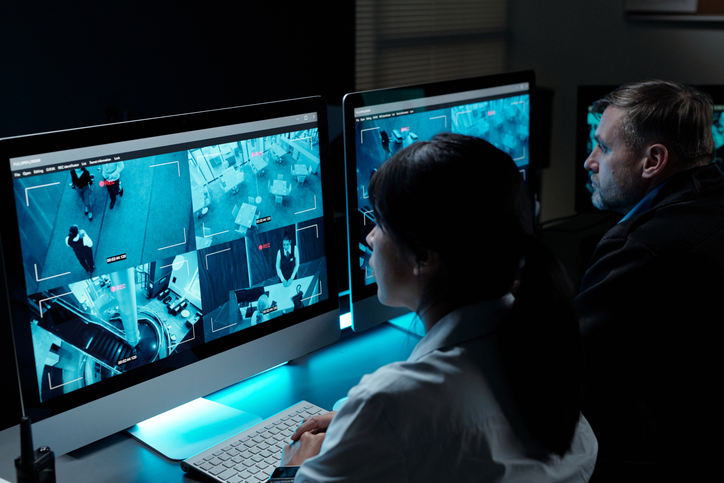
Security and monitoring centers often have visibility into what is happening during an incident. Cameras, sensors, and video verified alarms provide real-time insight as events unfold. In many cases, the situation is already understood at the source.
The challenge is that this visibility does not always travel with the event. When verified visual intelligence is not available to police dispatchers during a live incident, response decisions must still rely on verbal, step-by-step descriptions. Without shared visuals, it is harder to quickly understand how serious an event is or how large it may be, even when the incident has been confirmed.
Seeing an event internally is only the first step. Visual intelligence creates the greatest response value when it can move beyond the source and reach the point where prioritization and preparation occur.
Until visibility can be shared in real time, serious incidents risk being treated like every other signal during high-volume periods. Visual intelligence only fulfills its potential when it is accessible where crime response decisions are made.
How Video Verified Alarms Support Dispatch Prioritization
Prioritization improves when seriousness can be seen, not just described. Visual intelligence provides additional context during live incidents, helping distinguish incidents that require immediate attention from those that do not. It also supports broader officer safety technology strategies by giving responders a clearer understanding of conditions before arrival.
When police dispatch and responding officers have access to the same visual understanding, alignment improves. Serious incidents stand out more clearly during high-volume periods, reducing uncertainty at the moment prioritization decisions are made.
This shared understanding supports better preparation before arrival. Responders can assess conditions, anticipate risk, and coordinate more effectively when they understand what is unfolding rather than relying solely on step-by-step updates.
Visual intelligence does not replace existing response processes. It strengthens them by adding clarity at the point where prioritization occurs. When urgency is visible, response decisions become more planned and safer, especially in environments where volume and complexity are constant.
In these moments, visual proof is about adding more context and enabling priority response by making severity easier to recognize and act on.
Leveraging What Already Exists
Most organizations already have the assets needed to support priority response. Cameras, video, audio, and access control are in place and generating visual intelligence every day. The opportunity is not expanding these environments, but activating them more effectively.
Adding more systems does not solve the challenge of access by first responders during live events. What matters is whether existing visibility can be shared when response decisions are being made. When visual intelligence remains isolated, its value is limited to after-action review rather than active response.
Leveraging what already exists allows organizations to improve response readiness without disruption. Existing security investments deliver greater operational value when the insight they provide can be shared beyond internal operations to support prioritization and preparation.
This approach shortens the distance between detection and response without requiring new infrastructure. By focusing on access and timing, organizations can unlock the full potential of their current security environment while strengthening collaboration with law enforcement to support safer, more effective response outcomes.
From Insight to Action
Priority response depends on more than detection. It depends on access to clear, verified intelligence at the moment decisions are made. Visual intelligence delivers its greatest value when it can be shared during live events, helping serious incidents stand out and supporting safer, more planned responses.
Organizations do not need to rebuild their security environments to achieve this. The capability already exists. What’s needed is a way to share that intelligence when it matters most.
Explore how organizations are unlocking priority response from existing security investments. Read the full White Paper here
FAQ
What are video verified alarms and how do they support police response?
A video verified alarm combines a verified alert with video from the scene, providing additional context that helps police dispatchers evaluate verified incidents requiring law enforcement response and better understand what is happening before responders arrive.
Why does visual intelligence matter for officer safety?
When responders have access to verified visual context before arrival, they can better understand scene conditions, anticipate potential risks, and prepare their approach. Visual intelligence supports informed decision-making while preserving existing law enforcement workflows.
What is the difference between real time crime response and traditional alarm response?
Traditional alarm response often relies on verbal communication between multiple parties before dispatch decisions are made. Real time crime response uses verified visual intelligence to provide dispatchers with additional context that supports prioritization, preparation, and situational awareness during active incidents.
Can organizations share visual intelligence with police without installing new equipment?
In many cases, yes. Organizations can often activate the value of existing cameras and security investments by making verified visual intelligence available during active incidents. This approach supports police response and dispatch prioritization without requiring a complete replacement of existing security infrastructure. Solutions such as 3Si’s DirectToDispatch™ work with existing systems to enable organizations to share dispatch-ready intelligence through a trusted police dispatch pathway.

 Charlie Erickson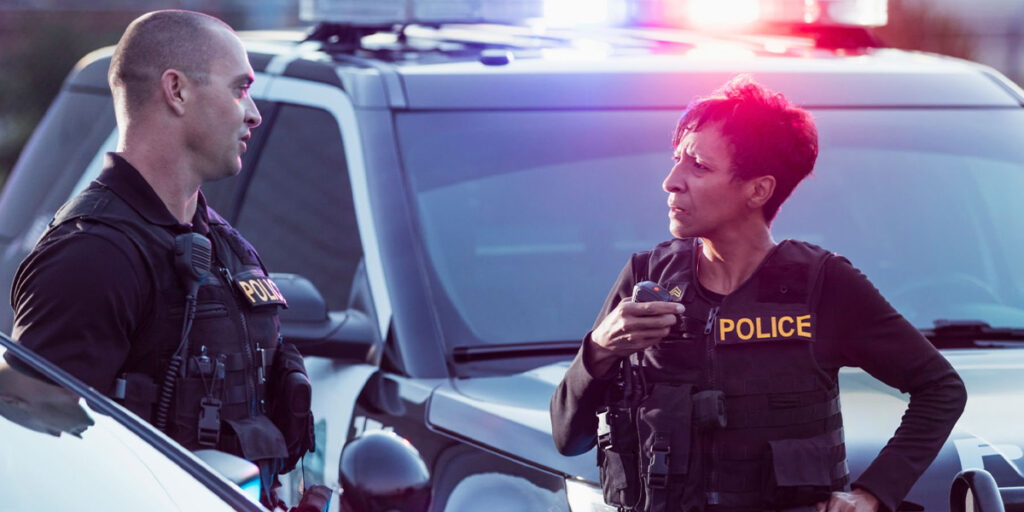
 Joseph Courtesis
 Jason Lockett