Every alert that reaches a monitoring center starts as a question: what is this actually happening right now? Getting from a raw camera feed to a crime verification workflow that law enforcement can trust takes more than eyes on a screen. For video monitoring partners, it takes a verification process refined over years of real incidents across thousands of customer sites, built to surface what actually matters to police dispatch.
Key Takeaways
- Verified intelligence separates a confirmed crime in progress from a false alarm, and that distinction is what makes dispatch-ready intelligence possible.
- Video monitoring partners combine trained operators, live video, and established procedures to move from suspicious activity to confirmed incident.
- The DTD workflow gives partner monitoring teams a direct, verified pathway to share what they’re seeing with law enforcement, without disrupting how dispatch and officers already operate.
- Deploying DirectToDispatch™ across thousands of customer locations shows what verified video intelligence looks like at scale.
How Video Monitoring Partners Support Their Customers’ Security
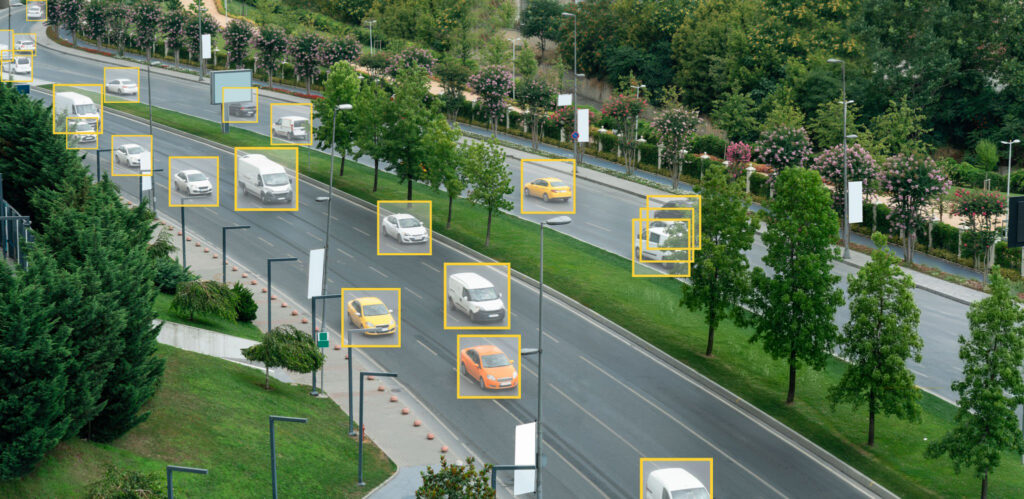
Video monitoring companies have moved well past passive recording on behalf of their customers. A modern partner monitoring workflow relies on live video feeds, analytics, and trained operators watching for activity that warrants a closer look, across every site the partner protects. Instead of reviewing footage after the fact, monitoring teams are reviewing it as it happens, which is what makes real-time verification possible in the first place.
This shift matters because most incidents don’t wait for someone to notice them on a delay. A monitoring center running live operations around the clock, supported by analytics that help flag movement or behavior patterns worth a second look, is better positioned to catch an event in progress rather than piecing it together after the fact. That’s the foundation these partners build their service on: technology and trained people working together to turn what they’re seeing into verified, dispatch-ready intelligence for the customers who rely on them.
For organizations weighing how to structure their own monitoring approach, understanding what a mature remote video monitoring setup actually looks like in practice is worth exploring further through 3Si’s security solutions.
What Happens Inside a Partner’s Monitoring Center During an Incident
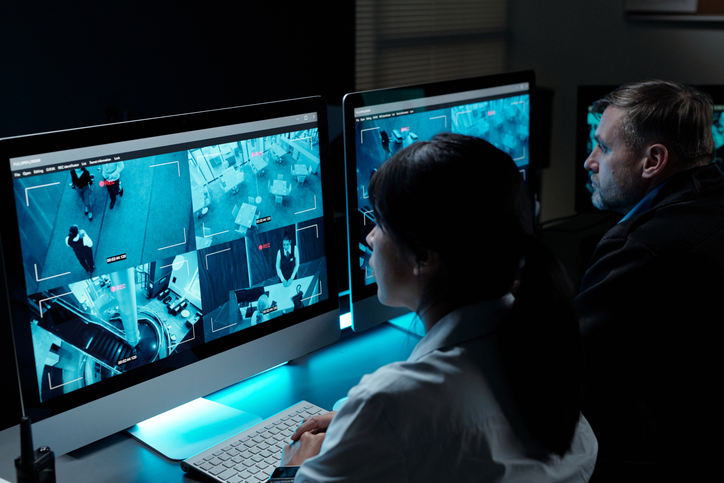
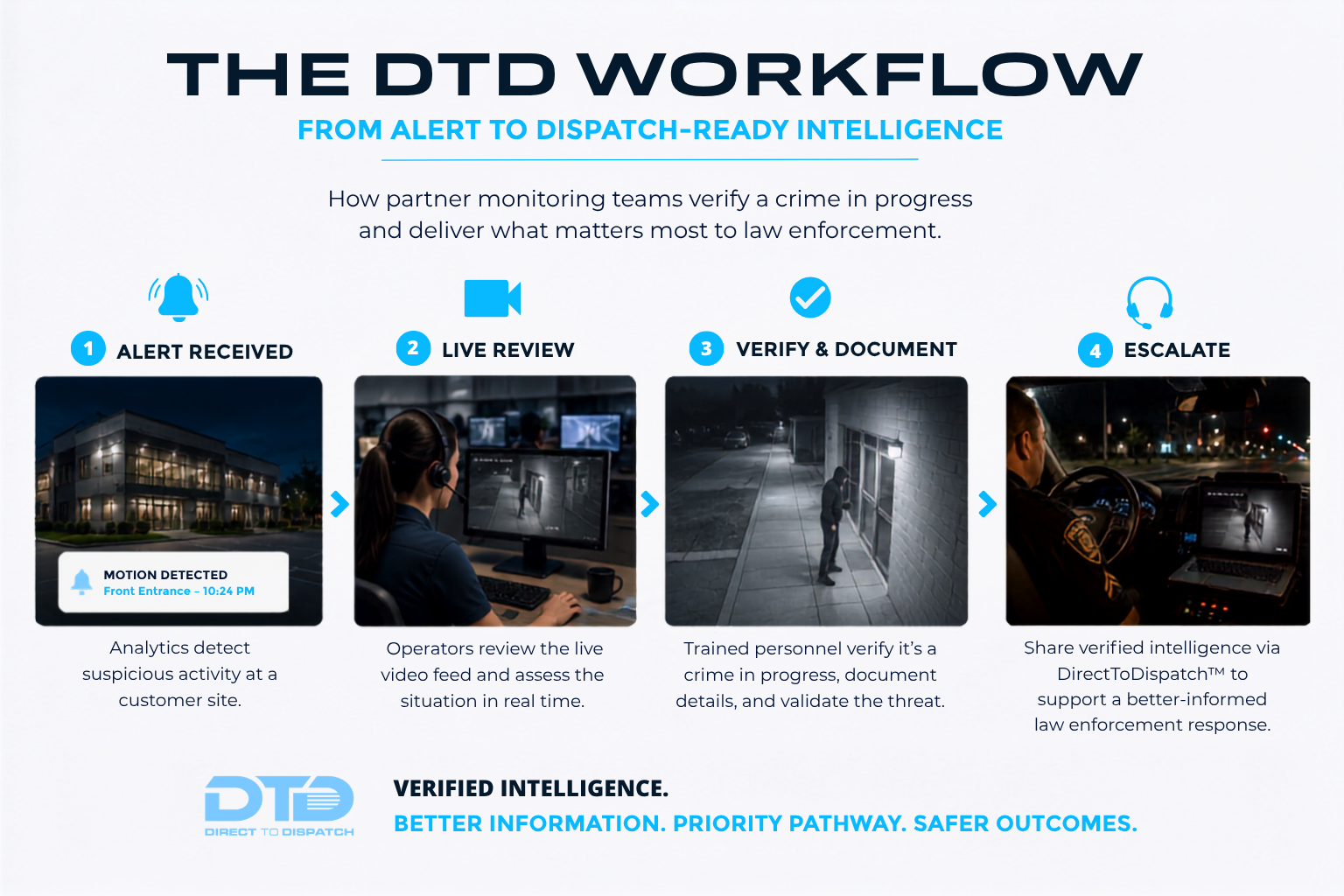
When an alert sounds at a customer site, a partner’s monitoring center response follows a defined sequence, not guesswork. Operators pull up the live feed tied to the alert, assess what they’re seeing, and begin incident handling according to established operational procedures.
That monitoring process typically includes:
- Reviewing the triggering alert and pulling the associated live video feed.
- Assessing the scene for signs of an actual crime in progress versus a false alarm.
- Documenting relevant details, including location, time, and observed activity.
- Escalating verified incidents through the appropriate reporting channel.
This structure exists because incident handling under pressure needs consistency. Partners covering high volumes of customer sites see a high volume of alerts, and a live crime monitoring workflow built on clear operational procedures keeps their teams focused on what actually requires a response.
How Partner Monitoring Teams Identify and Verify Crime in Progress
Not every alert is a crime in progress, and treating each one like it is wastes time monitoring teams don’t have. The video verification process partner operators rely on is built around threat validation: confirming that what triggered the alert is genuine suspicious activity before anyone downstream acts on it.
Event confirmation typically comes down to a few consistent signals operators are trained to look for:
- Movement or behavior inconsistent with normal activity at that location and time
- Presence of individuals in restricted or unauthorized areas
- Visual confirmation of an active event, such as theft, break-in, or altercation, rather than an ambiguous trigger
This is where monitoring accuracy matters most. A verification process that moves too slowly lets an incident escalate before dispatch ever sees it. One that isn’t rigorous enough sends unverified information to law enforcement, which erodes trust over time. Partners that treat verification as a discipline, not a formality, are the ones customers can depend on.
The Role of Real-Time Video Intelligence in Incident Assessment
Verified video intelligence changes what situational awareness looks like for everyone involved in an incident, from the partner operator watching the feed to the officer eventually responding. Real time video threat detection gives monitoring teams the ability to assess a scene as it unfolds rather than reconstructing it from static images or delayed reports.
Video analytics play a growing role here, helping flag activity that warrants operator attention faster than manual review alone. But analytics don’t replace trained judgment. They support it, giving operators better operational visibility into a scene so they can confirm incident context before treating something as an active threat.
This combination, live video paired with analytics and human verification, is what allows a partner’s monitoring center to deliver assessments that hold up. An operator who can describe exactly what’s happening, where, and how many people are involved gives everyone downstream far more to work with than a generic alert ever could.
From Monitoring to Dispatch: How Verified Information Is Shared
Confirming an incident is only half the workflow. The other half is getting that dispatch-ready video intelligence into the hands of the people who can act on it, without adding friction to how dispatch communication already works.
This is where law enforcement video collaboration depends on having a defined, verified pathway rather than an ad hoc one. Real-time sharing only holds value if it arrives in a format dispatch can actually use inside their existing systems. For a partner monitoring sites on behalf of its customers, actionable intelligence isn’t just about speed. It’s about delivering verified details, location, video, and incident specifics, in a way that supports public safety without asking dispatch to change how they operate.
3Si’s DirectToDispatch™ platform was built around that exact requirement: a verified pathway that moves confirmed intelligence from a partner’s monitoring center directly toward dispatch, working alongside established public safety workflows rather than replacing them.
The difference between an unverified alert and dispatch-ready intelligence comes down to what dispatch and responding officers actually have to work with:
| Unverified Alert | Verified, Dispatch-Ready Intelligence | |
|---|---|---|
| Source | Automated trigger, no human review | Confirmed by a trained monitoring operator |
| Detail | Limited to what tripped the sensor | Includes live video, location, and incident context |
| Reliability | May be a false alarm | Confirmed as an active, genuine incident |
| Usability for Dispatch | Requires follow-up before action | Ready to relay to responding officers as-is |
| Impact on Response | Delays decision-making | Supports a better-informed response |
How the DTD Workflow Supports Law Enforcement Awareness
Once verified information reaches dispatch, DTD workflows are designed to support officer awareness rather than overwhelm it. Verified information can be relayed to responding officers through the dispatch workflows already in place, giving them a clearer picture before they arrive rather than after.
This kind of operational coordination matters because officers making split-second decisions benefit most from details they can trust. A confirmed description, a verified location, or visual context from the incident gives responding officers a meaningfully different starting point than a bare alert. Public safety agencies interested in how this fits into their existing operations can find more through 3Si’s law enforcement resources.
Why Security Monitoring Best Practices Matter During Critical Events
Security monitoring best practices are what separate a monitoring center that performs well under normal conditions from one that holds up during critical incidents. A video monitoring response workflow needs to function the same way whether it’s handling routine activity or a genuine emergency, because operators don’t get to choose when the real event happens.
Consistent operational standards, clear escalation paths, and response coordination built in ahead of time are what make that possible. Monitoring efficiency isn’t about doing more with less. It’s about making sure the process doesn’t break down under the exact conditions it exists to handle.
Zedcor: A Partner Perspective on Verified Monitoring at Scale
Zedcor, a mobile surveillance provider operating its own surveillance towers, monitoring platform, and monitoring center, expanded its use of DirectToDispatch™ across more than 1,800 customer locations in the United States and Canada, marking the largest deployment of the platform by a mobile surveillance provider to date, according to the official announcement. For years, monitoring centers have had visibility into incidents that could only be relayed through a phone call and a verbal description, a gap that limited how much context ever reached the officers responding.
Todd Ziniuk, President and CEO of Zedcor, described the shift this way: “DirectToDispatch™ changes that. It gives law enforcement a clearer picture of what is occurring during a verified incident while allowing us to elevate the value we provide our customers.” Zedcor has long described its mobile surveillance network as an eye in the sky. Pairing that visibility with a verified pathway is what allows the company to deliver actionable intelligence at the moment it matters most.
That real-world application reflects the same workflow this article has walked through: trained monitoring operators verifying activity on live video, then moving that confirmed intelligence into a pathway law enforcement can act on, on behalf of the customers Zedcor protects. It’s a practical example of what a mature monitoring partnership looks like when verification and dispatch-ready delivery work together.
Conclusion
Verifying crime in progress isn’t a single step. It’s a workflow, one that starts with live video and trained operators, moves through structured verification, and ends with dispatch-ready video intelligence reaching the people positioned to respond. For a video monitoring partner like Zedcor, public safety depends on that chain holding together at every point, from the first flagged alert to the officer arriving with real-time monitoring behind them.
Partners that treat verified intelligence as a discipline, not an afterthought, are better equipped to support informed decision-making and situational awareness for the customers who depend on them. As more monitoring partners adopt real-time monitoring and structured verification, that discipline is quickly becoming the baseline for effective public safety collaboration, not the exception.
To see how a verified, structured pathway from monitoring to dispatch fits alongside your existing operations, explore DirectToDispatch™.
FAQ
What does it mean to verify a crime in progress?
Verification means a monitoring center has confirmed, through live video and trained review, that an alert reflects an actual incident rather than a false alarm. This crime verification workflow is what separates raw alerts from information law enforcement can trust.
How do video monitoring partners handle incidents differently from automated alarm systems?
Automated systems flag potential activity, but a partner’s monitoring center incident handling process adds human judgment. Operators review live video, assess the scene, and document what they see before escalating, which reduces false positives.
What makes video intelligence “dispatch-ready”?
Dispatch-ready intelligence has been verified, documented, and formatted so it can be delivered directly to law enforcement dispatch while working alongside existing workflows, including location, time, and visual confirmation, to provide actionable context for dispatch and responding officers.
Does a partner’s monitoring workflow slow down response time?
When built correctly, no. A well-structured monitoring workflow is designed to verify and escalate incidents, which supports an informed response rather than delaying it.
Can any monitoring provider deliver verified intelligence to law enforcement?
Not without an established pathway. Delivering a video verification process customers can trust requires both a monitoring center capable of consistent verification and a platform, like DirectToDispatch™, built to move that intelligence into dispatch workflows law enforcement already uses.


 Joseph Courtesis
 Jason Lockett
 Ben Tucker