For Law Enforcement
Real support for police dispatchers and responding officers
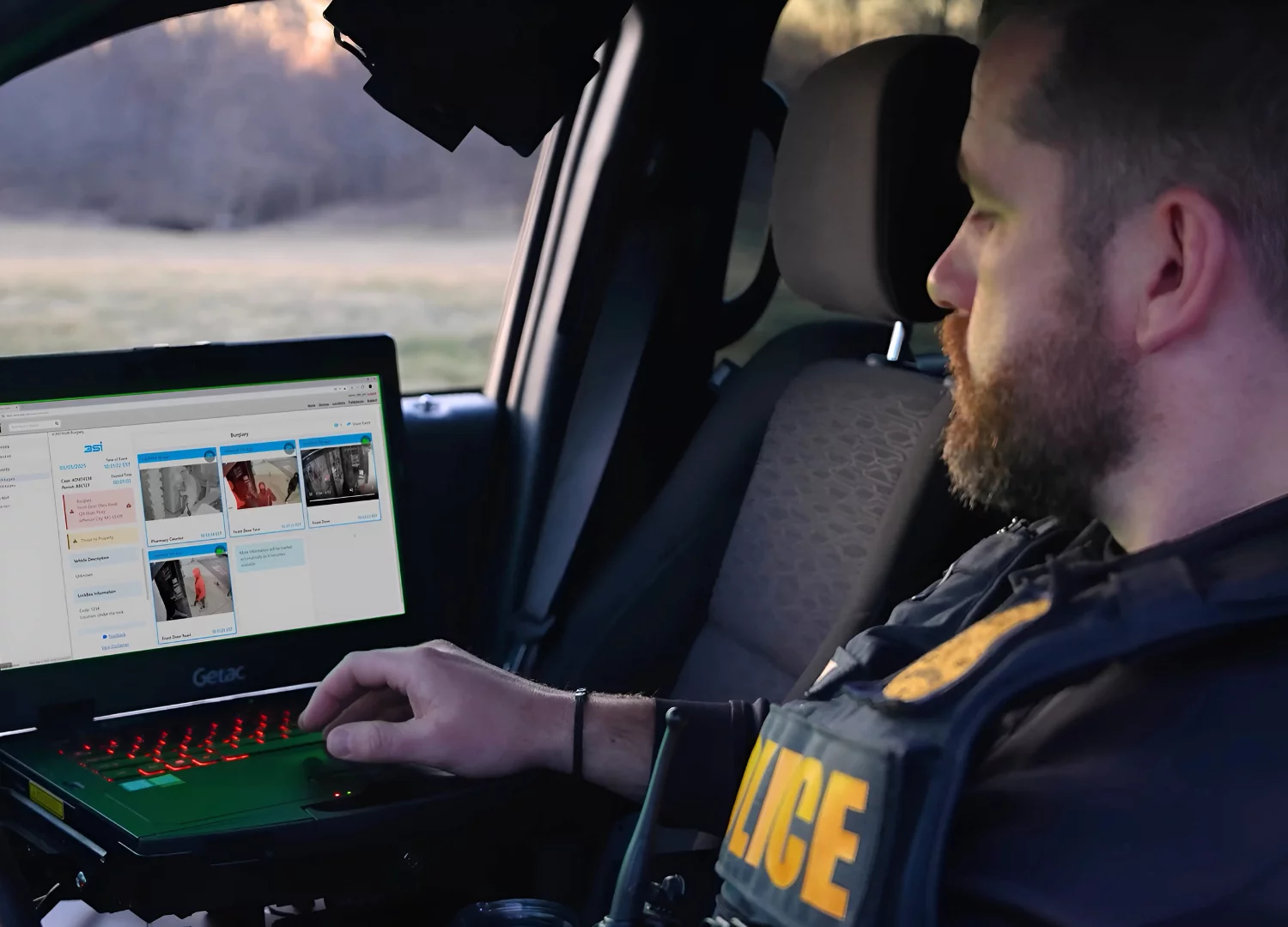
DirectToDispatch™ (DTD™) helps law enforcement receive actionable verified video intelligence and live GPS tracking information during active incidents.
DTD™ is funded by the private sector for public safety to support the delivery of real-time crime intelligence and officer safety.
»


The Reality for Dispatch centers
High Call Volume. Complex Decisions. Limited Context
911 centers handle a high volume of emergency calls each day while managing staffing constraints, increasing alarm activity, and rapidly evolving incident information.
During active incidents, dispatchers must rapidly evaluate incoming information while maintaining coordination with responding officers in the field.
Trusted, verified intelligence becomes critical when prioritizing serious events in progress.



How DTD™ Helps
Crime Confirmed and Intelligence Verified Before It Reaches Local Police Dispatch
DTD™ is designed to:
- Verify active threats to property and life before they reach police dispatch
- Deliver actionable intelligence during crimes in progress
- Support prioritization of active, high-priority events
- Reduce the burden of evaluating incomplete or unverified alarm information
- Enable dispatchers to share intelligence directly to responding officers’ mobile devices
- Strengthen coordination between police and private-sector security teams during crimes in progress
DirectToDispatch™ fits alongside existing dispatch workflows while preserving agency control and dispatcher decision-making.
Why Agencies Work With 3Si

0+
Years Supporting Law Enforcement
0+
Law Enforcement Agencies Connected
24/7
US Based Support
0+
Criminals Apprehended


What DirectToDispatch™ Is
✓ A verified police dispatch pathway
✓ Dispatch-ready intelligence with actionable context
✓ Support for dispatcher and officer situational awareness
✓ Designed to work alongside existing workflows
✓ Built to work with existing systems and operational processes
✓ Built around agency control and operational trust

What DirectToDispatch™ Is Not
✕ Not a 911 replacement
✕ Not an RTCC replacement
✕ Not direct access to private security systems
✕ Not a monitoring platform
Recent Testimonial
See how agencies are using DTD™ technology to support officer situational awareness and community safety during crimes in progress.

FAQ
Yes. DirectToDispatch™ is provided at no cost to law enforcement agencies as part of 3Si’s commitment to supporting public safety. The goal is to help verified, dispatch-ready intelligence reach dispatch and responding officers during active crimes involving threats to property or life while supporting existing workflows and agency decision-making.
Law enforcement can trust DirectToDispatch™ verification because every alert delivered is tied to a verified crime involving a threat to property or life and includes curated, dispatch-ready intelligence with actionable context. The process is designed to support existing dispatch workflows, preserve agency control, and provide responding officers with situational awareness they can rely on during crimes in progress.
During a DirectToDispatch™ event, police dispatch receives a verified alert with dispatch-ready intelligence that may include incident location, suspect descriptions, visual context, vehicle information, and other actionable details relevant to the crime in progress. Information is curated before delivery to support dispatcher decision-making and officer situational awareness.
Verification in DirectToDispatch™ begins with a security or monitoring team confirming a threat to property or life crime before any intelligence is shared with law enforcement. Relevant details are then curated into a dispatch-ready alert that provides actionable context while preserving dispatcher control and existing response workflows.

Discover DTD™
Join the Free training
»
More About DTD™ for Law Enforcement

Case Study: Hastings Police Bait Bike Program Stops Bicycle Theft
See how Hastings Police used a GPS-enabled tracker and DirectToDispatch™ to support theft investigations that led to two arrests in four months.
 3Si Security
Case Study: SFPD Recovers Stolen Merchandise in ORC Investigation
Learn how 3Si GPS Tracking and DirectToDispatch™ helped San Francisco Police Department maintain visibility of stolen merchandise, coordinate a citywide response, and recover assets during an organized retail crime investigation.
3Si Security
How Video Monitoring Teams Verify Crime in Progress: A Partner Perspective on the DTD Workflow
Every alert that reaches a monitoring center starts as a question: what is this actually happening right now? Getting from a raw camera feed to a crime verification workflow that law enforcement can trust takes more than eyes on a screen.
 Charlie Erickson