
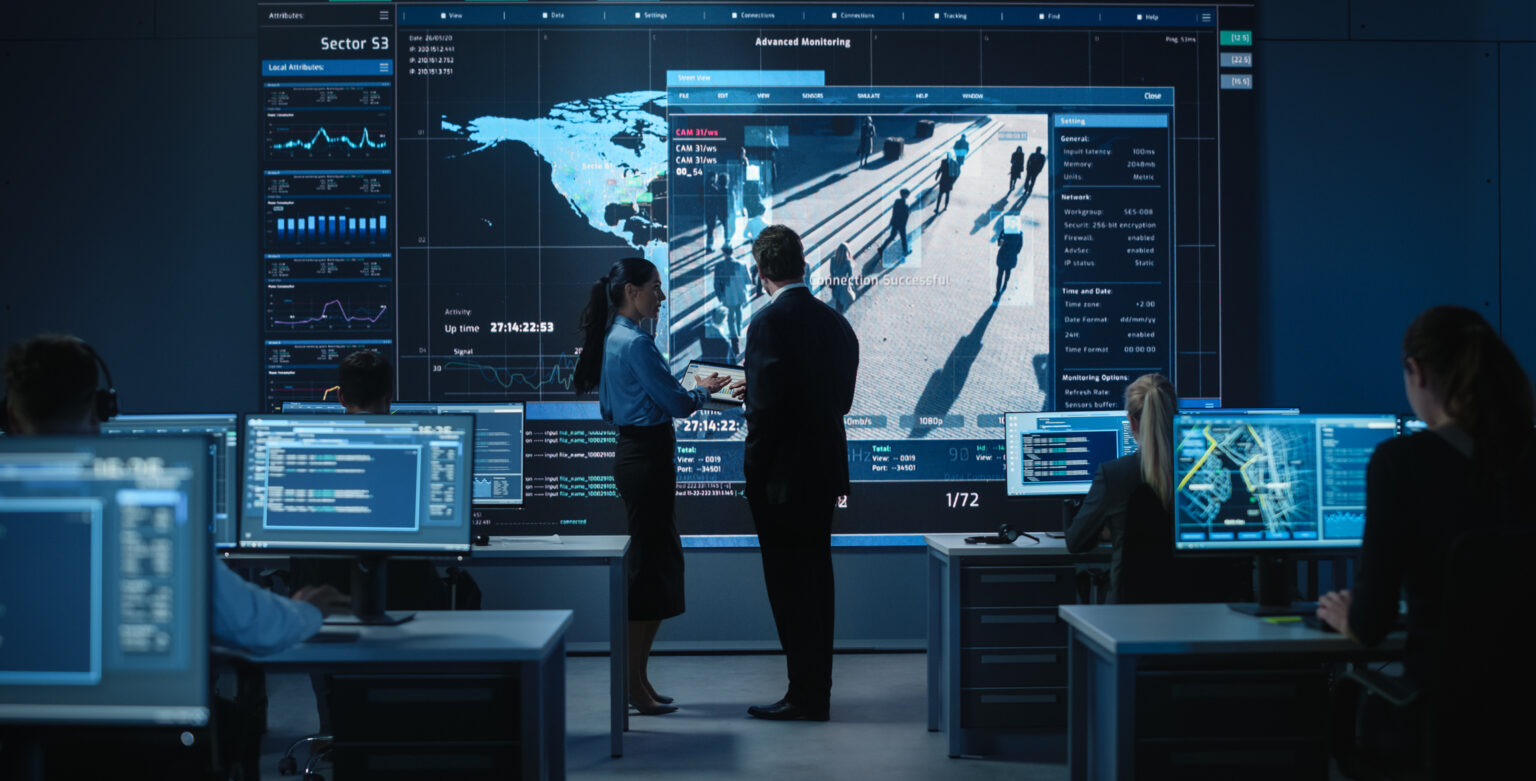
Businesses often have valuable incident information before officers arrive, including video, images, location details, and other verified context. The challenge is how to send that information to police dispatch in a clear, secure, and actionable format while an incident is still unfolding.
Modern public safety depends on accuracy, context, and clear communication between businesses and law enforcement. As more organizations look to report crime digitally, the focus is shifting from simply reporting an incident to sharing verified information that supports situational awareness.
Key Takeaways
- Online reporting capabilities distinguish between standard 911 calls and direct channels to local police dispatch.
- Solutions like DirectToDispatch™ act as a verified dispatch pathway, transmitting events and details digitally to the local police dispatch center.
- Digital channels are designed to support public safety, working alongside standard infrastructure rather than replacing it.
- Sharing verified data, such as video evidence, helps provide dispatcher teams with accurate situational awareness for informed response coordination.
How Businesses Can Report Incidents to Police in Real Time
For private-sector businesses, the traditional reporting process remains essential during in-progress incidents. In an emergency, a business reports the incident by calling 911 and providing verbal descriptions to the operator. That communication is critical, but it may not capture the full context that security teams can provide.
During an unfolding incident, security and monitoring teams may have access to video, images, location details, and other verified information that can help build a more complete picture of what is occurring. As a result, a substantial information gap can sometimes exist between what commercial security teams know about an unfolding incident and what dispatchers initially receive.
To help close this information gap, enterprises need a reliable way to send verified alerts to law enforcement during an unfolding crisis. Transitioning to modern data sharing allows businesses to provide verified incident intelligence to local police dispatch in a format that supports informed decision-making.
DirectToDispatch™ serves as one verified dispatch pathway that works alongside traditional reporting methods. When a verified incident is identified, intelligence can be shared through established dispatch workflows. Local police dispatch receives actionable intelligence, allowing dispatch personnel to review, prioritize, and share information through existing processes.
Online Crime Reporting Systems Explained
To understand how modern data flows work, it helps to look at the tools driving digital police reporting. An online crime reporting system typically serves as a digital portal on a law enforcement agency’s website where citizens file non-emergency reports online, such as property damage or minor theft.
While public reporting tools play an important role in documenting non-emergency incidents, they are generally designed for reports submitted after an event has occurred. Organizations managing active security incidents often need a way to share verified information while the situation is still unfolding.
Business-grade reporting platforms are designed to meet this specific need. Specialized law enforcement tools can include reporting platforms that provide verified data during active incidents without requiring complex system changes.
| Feature | Standard Online Crime Reporting System | DirectToDispatch™ Event Data Sharing |
|---|---|---|
| Primary User | General public and citizens | Commercial security and monitoring teams |
| Incident Urgency | Non-emergencies, such as vandalism or theft discovered after the fact | Verified incidents requiring law enforcement response |
| Transmission Method | Web forms filled out manually on an agency website | Delivered as dispatch-ready intelligence through a verified police dispatch pathway |
| Operational Impact | Supports administrative documentation | Supports situational awareness for dispatch and response |
How to Send Information and Evidence to Police
When a crisis unfolds, knowing how to send information to police accurately can help support response coordination. Traditional methods can limit the amount of information shared, and key intelligence may be delayed.
When security or monitoring teams know how to submit evidence to police digitally, they can deliver clear, actionable context directly to local police dispatch. This secure communication model allows businesses to share critical incident details, including video evidence, images, location information, and other relevant intelligence, together with the alert.
3Si solutions are designed to assist and support law enforcement. Our technologies do not replace traditional police systems. Instead, they serve as dedicated utilities that reinforce agency capabilities and support officer safety.
Challenges of Traditional Crime Reporting Methods
Relying entirely on legacy infrastructure can introduce operational hurdles for both businesses and law enforcement agencies. When an active threat occurs, traditional voice-based reporting often creates vulnerabilities.
- High call volumes: Emergency dispatch centers are frequently inundated by incoming voice calls, making it challenging to filter and prioritize incoming details.
- Verbal descriptions: Commercial security teams may need to rely on memory and verbal descriptions during high-stress incidents. Digital evidence, such as video, can provide clearer visual context.
- Lack of context: Responding officers may have limited or incomplete information before arrival, which can affect preparation and safety.
Many organizations already have cameras, alarms, and monitoring capabilities that can verify an incident. The challenge is ensuring that verified intelligence reaches dispatch in a format that supports informed decision-making during an active event.
Transitioning to a modern framework where businesses report crime digitally helps reduce potential errors during initial notification and supports a clearer operational picture.
How Real-Time Data Improves Police Dispatch Decisions
Real-time data can strengthen how police dispatchers manage response coordination and communicate critical details to first responders.
- Incident trigger: A verified threat-to-property or life event is identified at a business.
- Verified intelligence: The operator compiles critical incident details such as video, images, and location information.
- Trusted pathway: The intelligence is securely delivered to local police dispatch through a verified pathway.
- Informed response: Dispatchers review and share the intelligence, supporting situational awareness for first responders.
This secure method allows businesses to report crime digitally by sending verified intelligence to the local police dispatch center. With this added situational awareness, dispatchers can make more informed routing choices, help responding officers prepare for the conditions they may encounter, and coordinate resources with greater clarity.
Best Practices for Sharing Crime Data with Law Enforcement
Clear communication standards help organizations get more value from real-time intelligence sharing with law enforcement. When planning how to report crime to police online, businesses should implement frameworks that prioritize data accuracy, relevance, and secure handling.
The first step is ensuring that incident information is accurate, verified, and relevant to the situation. Security teams can also collaborate with local law enforcement to understand how the intelligence is being received and adjust internal protocols or training when appropriate.
By using DirectToDispatch™, organizations can establish a secure pathway to local police dispatch, supporting incident prioritization, data accuracy, and existing police workflows.
Conclusion
Organizations may already see and verify an incident through cameras, alarms, or monitoring teams. The challenge is often ensuring that verified intelligence reaches dispatch in a format that supports informed decision-making during an active event.
DirectToDispatch™ helps close this intelligence gap by providing a verified police dispatch pathway that delivers objective incident intelligence to local police dispatcher workstations. This secure communication model works alongside traditional voice channels to assist and support law enforcement without changing standard operating procedures.
By equipping public safety personnel with verified intelligence and situational context, commercial organizations can help protect assets while supporting officer safety on the ground.
For a deeper look at how secure data sharing supports police dispatch, download the 3Si Ebook: Beyond the Voice Call: A Guide to Secure, Direct Data Sharing with Police Dispatch.
Learn how DirectToDispatch™ can help your organization deliver verified incident intelligence to local police dispatch. Explore DirectToDispatch™
FAQ
How can I contact the police about an incident using digital tools?
For non-emergency incidents, many law enforcement agencies offer online reporting portals through their websites. These tools are typically used to document incidents after they occur. For commercial properties managing an active, verified incident, security teams may need a different type of digital workflow, one that shares dispatch-ready intelligence with local police dispatch while the event is unfolding.
How do I securely submit evidence to the police?
Businesses can share verified incident information through secure workflows designed for law enforcement coordination. For active incidents, security teams may be able to provide video, images, location details, and other verified context as dispatch-ready intelligence through established dispatch workflows. This helps ensure the information is relevant, controlled, and useful for dispatch review.
How do you report a non-emergency crime online?
Many local law enforcement agencies provide online reporting portals for non-emergency incidents such as property damage, vandalism, or theft discovered after the fact. These portals help agencies collect documentation without using emergency phone lines.
Do digital reporting tools replace the need to dial 911?
No. Digital tools, including online reporting portals and DirectToDispatch™, do not replace 911 or dispatch decision-making. Community members should always call 911 during emergencies or active threats. These tools serve different purposes. Online reporting systems help document non-emergency incidents, while DirectToDispatch™ provides a verified police dispatch pathway for sharing dispatch-ready intelligence during verified incidents requiring law enforcement response. Both work alongside existing emergency communication processes and law enforcement workflows.

 Charlie Erickson
 Joseph Courtesis
 Jason Lockett
 Ben Tucker