Protecting a convenience store means managing risks that many other retailers don’t face to the same degree. Long operating hours, lean staffing, and ready access to cash and high-demand merchandise combine to create a unique set of challenges that security teams must navigate every day.
A retail crime incident can unfold in seconds, but the investigation and recovery that follow often continue long after the initial event, sometimes spanning multiple jurisdictions.
Effective convenience store security must account for the entire incident. From sharing critical information during the initial response to maintaining visibility after stolen assets leave the property, both factor into successful security strategies.
Key Takeaways
- Convenience stores face unique security challenges due to long operating hours, lean staffing, and ready access to cash and high-demand merchandise.
- No single security tool addresses every convenience store security challenge. Effective protection requires a connected approach to response, recovery, and investigation.
- Maintaining visibility after stolen assets leave the property is just as important as understanding what happened inside the store.
- Verified information can help law enforcement make more informed decisions during the initial response
Why Convenience Stores Face Unique Security Risks
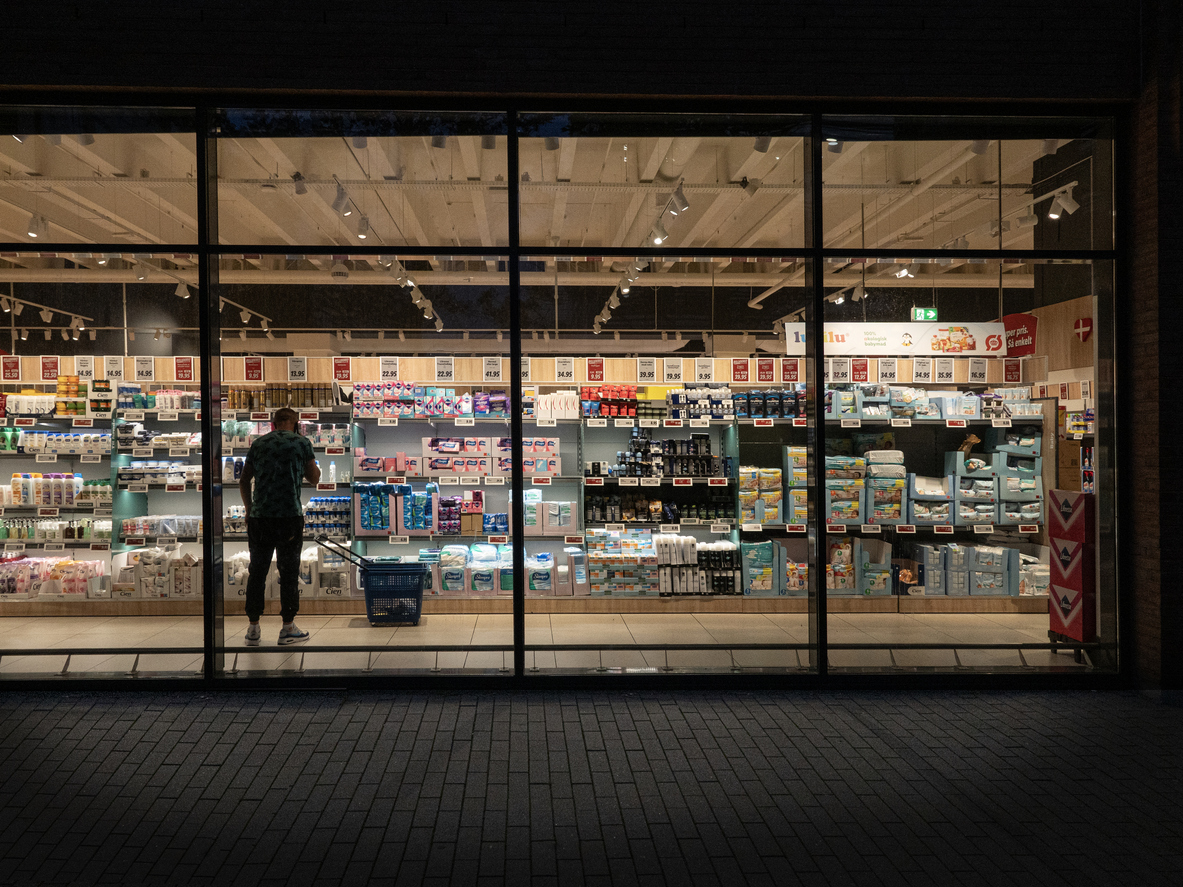
Convenience stores are built around easy access, but that same accessibility also increases their exposure. Many operate around the clock with one or two employees on duty. They are often located near busy roads, making a quick exit simple. They also keep cash and high-demand merchandise within reach of the counter. As a result, they face security risks that larger retailers with more staff are often better equipped to manage.
The incident itself does not always end when a suspect leaves the store. According to the National Retail Federation’s 2025 Impact of Retail Theft & Violence Report, organized retail crime remains retailers’ top external theft concern. The report also highlights that investigations are becoming more complex, often involving:
- Multiple store locations
- Coordination across local, state, and federal law enforcement
- Cross-jurisdictional investigations
- Organized groups operating across broader geographic areas
These conditions create two distinct challenges: helping law enforcement respond with reliable information while an incident is unfolding and maintaining visibility as stolen assets move beyond the store.
High-Risk Merchandise Creates Ongoing Theft Exposure
Part of what makes convenience stores attractive targets is the mix of merchandise and cash they keep on hand. Tobacco and vape products, alcohol, gift cards, lottery inventory, over-the-counter medicine, and cash are small, valuable, and easy to resell. That mix attracts both opportunistic theft and organized retail crime.
External theft continues to rise across retail. Senior loss prevention leaders surveyed for the 2025 NRF report named organized retail crime, shoplifting, and repeat offenders among their top concerns.
Cameras and alarms help document what happens inside the store, but their visibility typically ends at the property. They cannot maintain visibility once stolen merchandise leaves the property. GPS tracking helps answer the harder question of where it goes next.
Once stolen merchandise leaves the store, it may continue through additional locations, resale channels, or jurisdictions. At that point, the security challenge shifts from documenting the event to maintaining visibility.
Maintaining Visibility Beyond the Store
Verified intelligence helps law enforcement understand what happened. Continued GPS tracking helps maintain visibility as stolen assets move beyond the point of theft. Together, they support a connected approach throughout response, recovery, and investigation.
Covert by 3Si helps maintain visibility beyond the point of theft. Assets in a convenience store best suited for trackers can be things near the register, like cash or tobacco, which 3Si protects with Cash Trackers or Tobacco Trackers. Each one is seamlessly camouflaged to shoppers. Together, they provide ongoing location intelligence that supports recovery and investigation well after the first event. 3Si GPS intelligence uses several technology redundancies to ensure a continuous report, including GPS, cellular, and Wi-Fi. 3Si’s patented GPS intelligence also supports this by drawing on multiple forms of location technology. That helps preserve data quality and location visibility during convenience store theft recovery.
Fast-Moving Incidents Leave Little Time to Respond
Another issue convenience stores can face is how fast crimes can occur. In that short window, an employee experiencing the crime may have almost no time to react, assess the situation, or communicate useful details. This is one of the defining characteristics of a convenience store incident, and it limits any response that relies on someone recalling events afterward.
Because these crimes unfold so quickly, the full cost is not realized until long after the incident. The price of the goods taken is rarely the true measure of impact. Repeat and organized theft can drain staff time, disrupt daily operations, and expose a store to the same offenders again and again. That impact on the business, not the shelf value of any single item, is what makes a lasting response so important.
How a convenience store or retailer responds to crime can depend on a variety of factors. When covert tracking stays active over time, security teams can run their own investigations. If a store is targeted again and again, a team can protect its high-risk merchandise with covert trackers and follow the location data as stolen goods move. Multiple tracked events can then point back to a single place where stolen goods are collected or resold.
Organized retail crime usually involves groups rather than a lone offender, and their activity can run through second and even third locations. Continued visibility helps a team trace that activity toward its source, address the pattern behind repeated incidents, and hand law enforcement a stronger case when the time comes.
A Connected Approach to Response, Recovery, and Investigation
Convenience store security requires more than detecting an incident. It requires a connected approach that supports response, recovery, and investigation from beginning to end. DirectToDispatch™ and Covert by 3Si GPS tracking products each play a distinct role, working together to help security teams and law enforcement maintain visibility and make more informed decisions throughout the incident lifecycle.
No single tool addresses every challenge on its own. Their real strength comes from working together:
- Existing security systems capture the key event information.
- DirectToDispatch™ helps share verified, actionable intelligence with local police dispatch.
- Covert tracking extends visibility beyond the point of theft.
- Long battery life supports readiness during longer investigations.
- Patented GPS intelligence helps preserve reliable location visibility and evidence.
Together, these capabilities help close the gaps between detection, response, recovery, and investigation. Convenience retailers gain a more complete view of the incident, while law enforcement receives information that can support safer responses and stronger cases.Learn how DirectToDispatch™ and Covert can support your convenience store security strategy. Connect with the 3Si team or request a solution overview.
Learn how DirectToDispatch™ and Covert by 3Si can support your convenience store security strategy. Contact the 3Si team or book a demo.
FAQ
Why are convenience stores difficult to protect?
Convenience stores combine several risk factors that rarely occur together, including long operating hours, lean staffing, cash, and high-demand merchandise. Incidents can also extend across multiple locations and jurisdictions, making response, recovery, and investigation more complex.
What security systems are commonly used in convenience stores?
Most convenience stores rely on video cameras, alarm systems, cash-handling controls, and visible deterrents. While these tools help document incidents, many retailers also look for ways to verify, share, and act on the information they capture.
How does covert tracking support convenience retailers?
GPS tracking extends visibility beyond the point of theft, helping retailers follow stolen assets after they leave the property. When paired with verified intelligence, it supports a connected approach to response, recovery, and investigation, giving security teams and law enforcement greater situational awareness throughout the incident lifecycle.
Why does battery endurance matter during a retail theft investigation?
Recovery operations are often unpredictable and can continue long after the initial theft. Strong battery endurance helps keep location intelligence available throughout the investigation, reducing the risk of losing visibility before recovery efforts are complete. Combined with patented GPS intelligence that draws on multiple location technologies, it helps preserve reliable location data as incidents move across locations and jurisdictions.


 Charlie Erickson
 Joseph Courtesis
 Ben Tucker