

The more things change, the more they stay the same. This adage effectively describes the paradox of organized retail crime (ORC) today verses two decades ago. On the one hand, ORC is nothing new – it’s been going on in its current form since the early 2000s. On the other hand, criminals and methods continue to evolve over time. While ORC incidents are technically defined by particulars such as the number of thieves involved in an incident and/or the value of goods stolen, it’s broadly understood as theft of merchandise from retail stores that is transferred to a larger network for resale. In 2022, the National Retail Federation attributed $112 billion in losses to ORC. Politicians debate the rise in ORC, with many suggesting that headlines are sensationalized. Semantics aside, it’s clear that retail losses attributed to organized retail crime represent a sizable problem, causing alarm and profitability declines among retailers.
Every day, retailers invest time, money and resources to fight ORC. Solutions span the gamut, from technologies that protect merchandise, to additional LP/AP resources, and integrated security systems that deter and alert. These solutions take steps toward improving the situation, but I contend the real solution exists on a more strategic plane.
Greater collaboration
The nature of ORC requires that multiple stakeholders collaborate effectively in order to combat it. Most states have formed organized retail crime associations (ORCAs), which encourage and enable closer collaboration between retailers and law enforcement on a local level. As ORC evolves, collaborations are also growing to include groups working across state, regional and international borders. It’s simply impossible for any single stakeholder to combat ORC alone. Success requires partnership between private business, law enforcement and the legal system.
Prosecution
The saying, “crime doesn’t pay” is completely false. Unfortunately, crime does pay. It pays well. For the most part, retail theft is not classified as a felony, so consequences are minimal. In many cases, we’re seeing more hardened criminals abandon their previous lines of work – trafficking women or drugs – to enter into ORC due to the reduced risk and high payoff.
In limited instances, such as when stolen goods cross borders, or when a cargo truck is stolen and becomes a vehicle theft, retail theft scales up to a more serious offense. But most of the time, legislation has no teeth. Legislation that punishes ORC is a good first step and prosecution of criminals is a critical second step to reducing ORC.
Trendspotting
ORC will always evolve to remain lucrative. Consider the recent uptick in gift card scams, whereby criminals steal cards off store shelves, recording the gift card numbers and pins and then removing the cash the moment a legitimate customer adds money to the card. As retailers move to either conceal card numbers with innovative packaging or alter displays to prevent access without authorization, criminals will move on to the next thieving opportunity.
The rise of social media has fueled an increase in flash mobs and collaborated smash-and-grabs, but it is also fueling greater visibility for law enforcement. ORCAs are employing social media to gather real-time information, increase awareness and pinpoint locations where the resale of stolen merchandise takes place.
Looking ahead, cargo theft is on the rise, offering criminals access to hundreds of thousands or even millions of dollars in merchandise with a single heist. By carefully analyzing trends, technologies and predicting new theft opportunities, retailers can better prepare for and implement technology solutions to help combat problems on the horizon.
The silver lining
While the task of combatting ORC remains daunting, there is a silver lining. First of all, the politicization of crime in retail has drawn widespread attention to the problem, raising awareness and inciting calls for action. Secondly, LP/AP teams are savvier and more capable than ever, armed with technology to help them in their stand against ORC. Retail LP/AP teams understand the problem, they know the criminals, they understand the networks and they are spotting the trends. In this fight, knowledge is power and LP/AP teams are well positioned to advance the fight with the help of law enforcement, legislative and legal bodies.
Part of what I enjoy so much about my role at 3SI, is that I’m focused on bridging the knowledge gap between retailers and law enforcement. Our solutions provide GPS tracking that leads law enforcement right to the hotbed of criminal activity, positioning them for successful recovery of assets in addition to successful prosecution.
3SI is uniquely resourced to focus on helping retailers and law enforcement collaborate. If you’re interested in taking next steps, reach out (info@3si.com) to schedule a discussion with our retail team. We are in the fight against ORC together!


 Ben Tucker
 Mary Pifer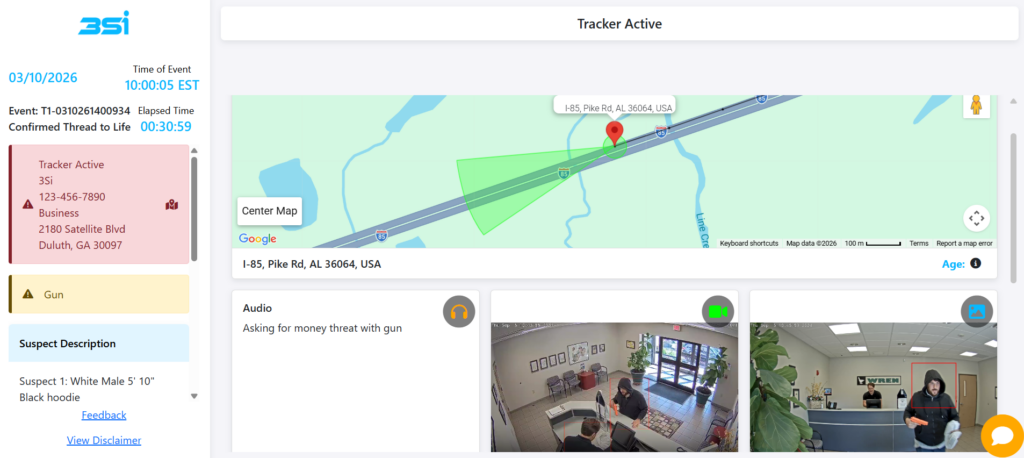
 Jason Lockett

 Joseph Courtesis