

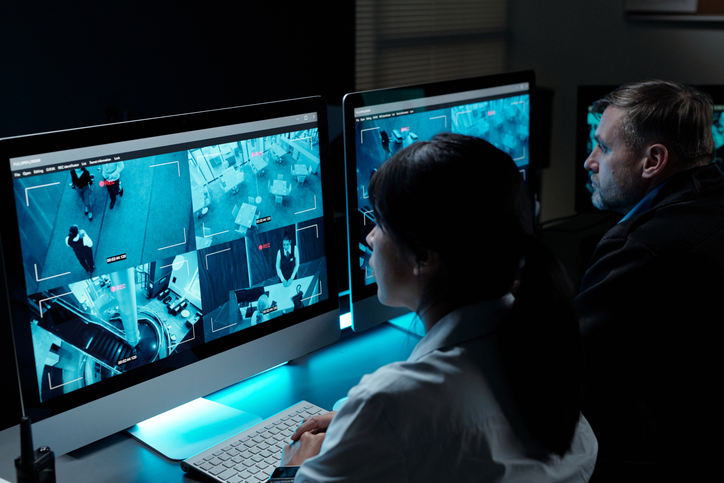
Most emergency responses begin with information delivered through a structured workflow. Events are identified and confirmed by security and monitoring teams, then communicated through established emergency response channels so dispatchers can make response decisions based on what is known at that moment.
Even within this process, verbal reporting has limits. Security and monitoring professionals may have access to visual data, but details are often conveyed verbally to dispatch and responders. Spoken information is shared step by step and cannot always reflect how a situation is changing in real time. By the time officers arrive, conditions on scene may differ from the initial description, shaping response decisions before arrival.
This gap is not caused by a lack of verification or professionalism. It is a limitation of how information moves. When verified visual intelligence is not accessible through dispatch during an active event, preparation depends on interpretation rather than direct understanding.
As response environments become more dynamic, the challenge is clear. What if dispatchers could receive verified visual intelligence during an event and share relevant context with responding officers, rather than relying only on verbal descriptions?
Key Takeaways
- Seeing the scene before arrival can change how officers prepare. Verified visual intelligence can add context about activity, movement, location, and changing conditions that may be difficult to convey through voice alone.
- The value of visual intelligence depends on when it becomes available. Relevant context received during an active incident can support situational awareness and preparation before officers reach the scene.
- Better pre-arrival context can support officer safety. Understanding more about current conditions can help officers consider potential risks and prepare their approach while tactical decisions remain with law enforcement.
Hearing a Crime Versus Understanding a Scene
Hearing about a crime is not the same as understanding it. Voice-only information requires interpretation. Dispatchers and officers must translate verbal descriptions into an understanding of location, movement, and risk without direct visibility. Details may be incomplete, imprecise, or outdated by the time they are relayed. Even when reports are accurate, they often lack the context needed to understand how a situation is unfolding in real time.
This reliance on interpretation creates uncertainty before responders ever arrive. Officers may not know how many people are involved, where movement is occurring, or whether conditions are escalating or stabilizing. As a result, preparation is based on the information available rather than shared visual context.
Without early visual context, responders may need to assess basic conditions upon arrival before determining how best to proceed. The earliest moments on scene may therefore be spent orienting to current conditions. In dynamic situations, those moments matter. Uncertainty at this stage can influence response planning and decision-making.
Understanding a scene before arrival changes that dynamic. When responders better understand what is happening, they can prepare with purpose instead of relying only on initial verbal information. With additional context, officers can focus on planning, coordination, and safety before they reach the scene.
Why Timing Matters More than Volume
In many response environments, the challenge is not a lack of information. It is an excess of it. Alerts, updates, and communications can arrive from multiple sources, often in quick succession. While this volume may indicate activity, it does not always provide clarity.
What determines whether information is useful is timing. Information that arrives after responders are already en route or on scene still requires interpretation and adjustment under pressure. At that point, it can confirm what officers are seeing, but it may have less opportunity to inform pre-arrival preparation.
Early information has a different impact. When relevant, verified intelligence is available before arrival, it can help responders prepare and coordinate with a clearer understanding of the situation. It allows officers to consider approach, positioning, and potential risks in advance rather than developing that understanding only after reaching the scene.
This distinction is critical. More information does not automatically create better situational awareness. What matters is whether the right intelligence is available at the right time to help dispatchers and responding officers understand what is unfolding before they arrive.
How Visual Intelligence Supports Officer Safety and Response Preparation
Visual intelligence provides context that voice reports alone cannot. Seeing a scene allows responders to move beyond assumptions and gain a clearer understanding of conditions before arrival. Modern security systems can provide video, audio, location information, and other event-specific data that add context beyond traditional verbal reporting.
Early visual insight, including live video when available and relevant to the verified incident, can help responders anticipate what they are likely to encounter, consider safer approaches, and coordinate more effectively with other units. Instead of arriving with only an initial description, officers may have additional verified context to support their preparation.
This does not replace training or experience. It strengthens them by reducing uncertainty at an important point in the response timeline. For officer safety, that additional situational awareness can help personnel prepare for the conditions they may encounter while leaving tactical decisions where they belong: with law enforcement.
Closing the Intelligence Gap Before Arrival
Traditional response workflows often deliver critical insight after the response has already begun. Visual evidence may exist, but it may remain within private security environments during an active event and be reviewed later for investigative purposes.
New approaches focus on closing this gap by ensuring verified intelligence reaches dispatch while an incident is unfolding, when it can support preparation and decision-making. The goal is not to add more systems or overwhelm responders with data. It is to improve when meaningful intelligence becomes available.
When responders arrive with greater situational awareness, they have additional context to support a deliberate, measured, and coordinated response.
Conclusion
Safer response depends on reducing uncertainty early. Hearing about a crime provides a starting point, but seeing the scene before arrival can provide additional clarity.
Visual intelligence delivered at the right moment can help responders prepare more effectively, approach scenes with greater situational awareness, and make better-informed decisions under pressure.
Explore how verified intelligence before arrival supports safer, more informed response – read the full white paper.
FAQ
What is officer safety technology?
Officer safety technology includes tools and information sources that support situational awareness and preparation during an active incident. This can include access to verified visual, location, and event-specific information that helps law enforcement better understand conditions before arrival.
What is verified visual intelligence?
Verified visual intelligence is visual information associated with an incident that has been confirmed before it is shared for law enforcement response. It can provide direct context about observable activity and conditions that may be difficult to communicate through verbal descriptions alone.
Why does timing matter when sharing intelligence with law enforcement?
Information has greater opportunity to support preparation when it is available before officers arrive. Relevant, verified intelligence provided during an active incident can help dispatchers and responding officers develop a clearer understanding of what is unfolding.
How can visual intelligence complement traditional emergency reporting?
Visual intelligence adds context to verbal reporting rather than replacing it. It can help clarify observable details and changing conditions while dispatchers and responding officers continue to make decisions through established law enforcement workflows.

 Charlie Erickson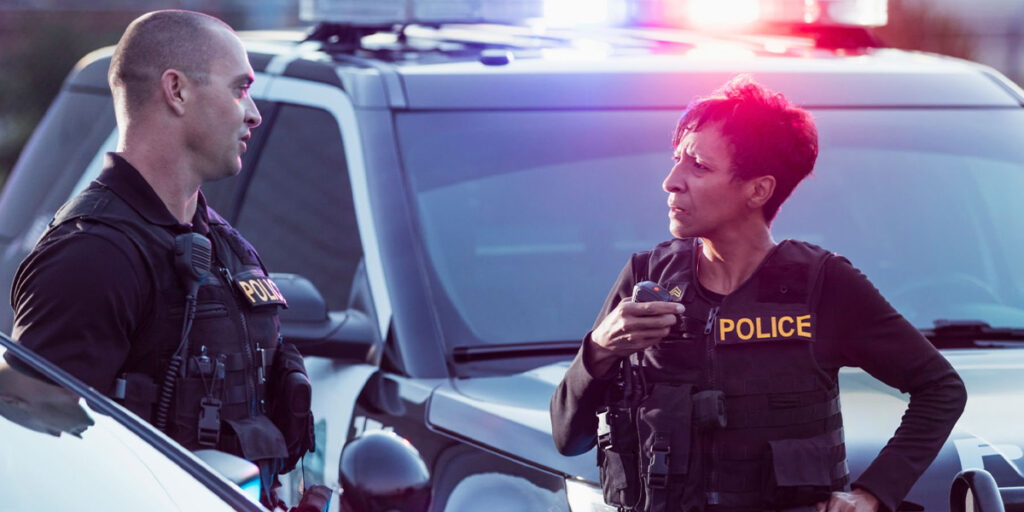

 Jason Lockett
 Ben Tucker